Buying a House With a Strange Smell? What to Check

An unexplained odor during a home showing may be more than a minor inconvenience. Learn how to investigate potential problems before purchasing a Maryland home.

An unexplained odor during a home showing may be more than a minor inconvenience. Learn how to investigate potential problems before purchasing a Maryland home.

A smell may come and go in a house because temperature, humidity, ventilation, air pressure, and daily activities change how odor-producing compounds move through indoor air. Odors may also become less noticeable because the human nose adapts to familiar smells. If the source remains, the odor can return when conditions change.

Why Does My House Smell Different After I’ve Been Away? ⏱️Estimated Read Time 8–9 minutes Executive Summary Have you ever returned from vacation, opened the front door, and immediately thought, “Did my house always smell like this?” There is a…

When a house suddenly smells musty during or after rain, the weather may be revealing an existing moisture or odor problem rather than creating a new one. Learn how humidity, basements, crawl spaces, HVAC systems, drainage and porous materials can contribute—and how to track the odor back to its source.

If your boat cabin smells moldy, the odor is usually being caused by hidden moisture, mold, mildew, bacteria, or contaminated materials trapped inside cushions, carpeting, storage compartments, bilges, or HVAC systems. Simply spraying air fresheners rarely solves the problem. Successful boat odor removal requires identifying the moisture source and eliminating the contamination causing the smell.

If your boat smells musty even after cleaning, the problem is usually hidden moisture, humidity, mold, mildew, or trapped organic contamination. Maryland's humid Chesapeake Bay environment creates ideal conditions for odor-producing microbes to grow inside boat cabins, cushions, carpeting, storage compartments, and HVAC systems. Understanding why these odors develop is the first step toward eliminating them permanently.
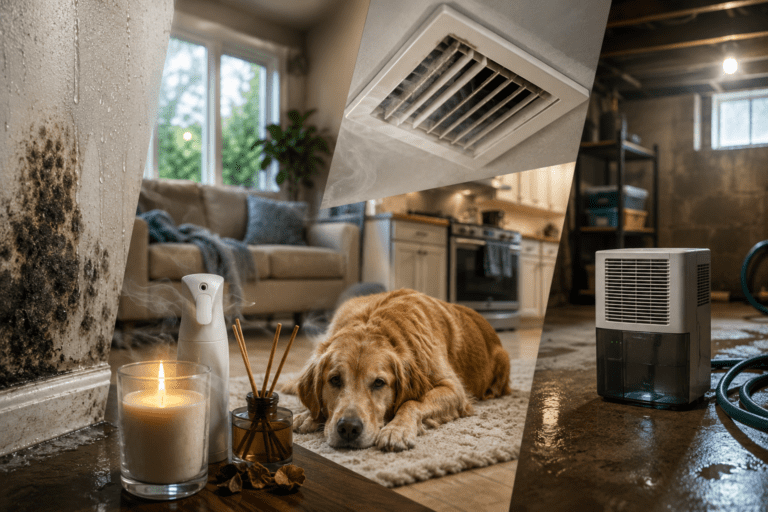
Maryland’s humid summers, damp winters, coastal moisture, and changing seasons create perfect conditions for stubborn household odors. This Maryland-specific odor prevention guide explains how homeowners can reduce musty smells, pet odors, moisture issues, HVAC odors, and seasonal indoor air quality problems all year long using practical professional-backed strategies.
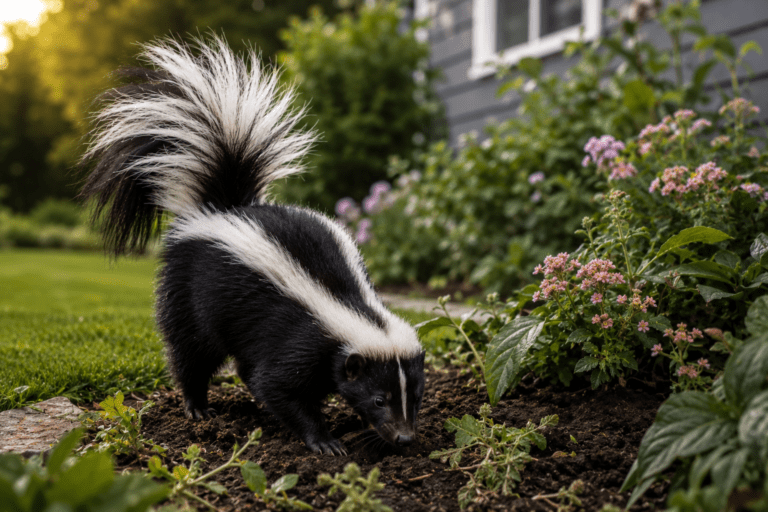
Some odors in Maryland are more than just unpleasant — they can seep into drywall, HVAC systems, vehicles, carpets, and entire buildings. From swamp rot and seafood odors to skunk spray and mildew-filled basements, this guide breaks down Maryland’s most notorious smells and explains how professional odor removal actually works to eliminate them at the source instead of simply covering them up.

Understanding Odors: Their Origins and Development - Join us as we explore the science behind odors, their sources, and how they develop over time with Maryland OdorPros.

Household odors aren’t just surface issues—they’re often caused by deep contamination in materials, air systems, and hidden moisture zones. This guide explains the real sources of persistent home odors and why professional odor removal is the only reliable way to eliminate them at the source—not just mask them.