

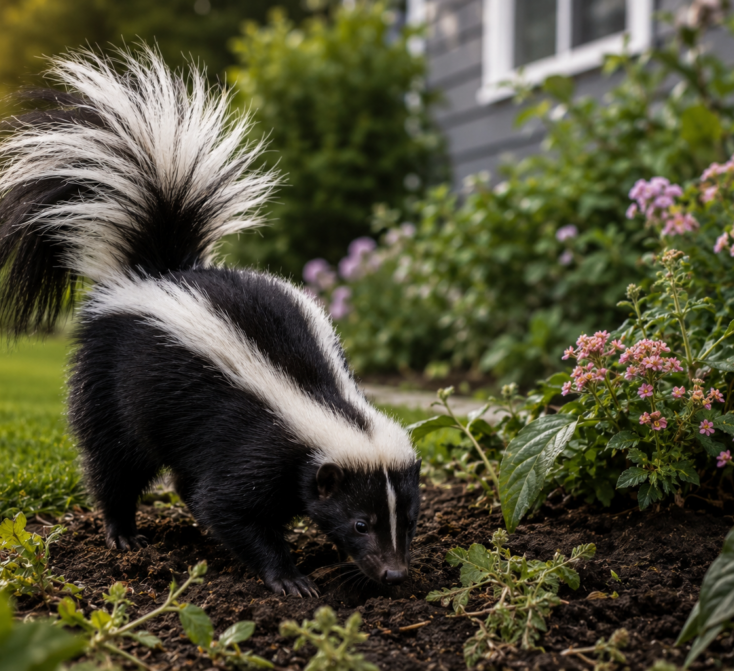
Maryland’s Top 10 Worst Smells — And How Professionals Actually Treat Them
Maryland has a smell problem.
Not all of Maryland, of course. But if you’ve lived near the coast, survived a humid summer in a rowhome, opened a forgotten cooler after a crab feast, or encountered a skunk on a dark back road in Carroll County… you know exactly what we’re talking about.
Some odors become legendary because they don’t just linger — they invade. They settle into porous materials, circulate through HVAC systems, attach to moisture, and return every time humidity rises. And unfortunately, many DIY odor solutions only make things worse by masking the smell instead of removing the source.
At Maryland OdorPros, we specialize in identifying, neutralizing, and eliminating stubborn odors at the molecular level. Here are the ten worst smells Maryland residents and property owners deal with — and what professionals actually do to remove them.
1. Swamp Rot From Wet Basements and Crawlspaces
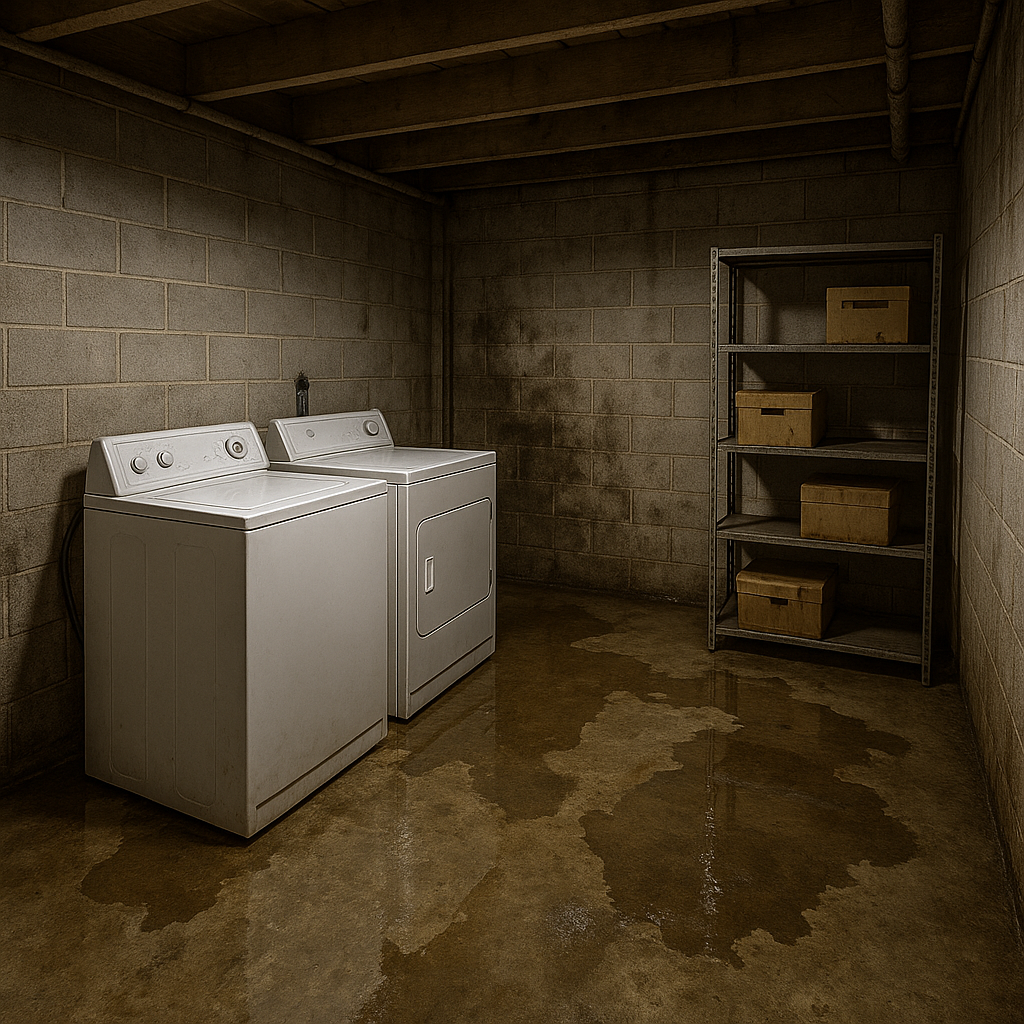
There’s a distinct smell that happens when standing water, humidity, decaying organic material, and mold spores combine. Maryland homeowners know it well.
It’s that earthy, damp, “something died in the basement” smell that gets stronger after rainstorms or humid summer days.
Why It Happens
- Excess moisture
- Poor drainage
- Mold growth
- Wet insulation
- Rotting wood
- Bacterial buildup
Why DIY Fails
Air fresheners and dehumidifiers may temporarily reduce the smell, but if moisture remains trapped in materials, the odor source stays active.
How Professionals Treat It
Professional odor remediation may include:
- Moisture mapping
- HEPA air filtration
- Removal of contaminated materials
- Antimicrobial treatment
- Vapor-phase deodorization
- HVAC odor treatment
- Crawlspace humidity control
The goal is not to “cover” the smell — it’s to stop microbial activity and eliminate odor compounds at the source.
Also Read 📖Basement Smells Like a Swamp? Mold, Musty & Sewage Odors Explained | Maryland OdorPros
2. The Crab Boil Aftermath
Maryland crab feasts are legendary.
The smell left behind afterward? Also legendary… for entirely different reasons.
Seafood oils, seasoning vapors, shell residue, and moisture can penetrate:
- Upholstery
- Curtains
- HVAC returns
- Wood cabinets
- Vehicle interiors
- Trash storage areas
If cleanup is delayed during summer heat, bacterial decomposition accelerates quickly.
Real-World Scenario
A waterfront rental property hosted a weekend crab party. Two days later, incoming guests described the property as smelling like “hot low tide mixed with old seafood.” Standard cleaning wasn’t enough because odor molecules had spread into fabrics and ductwork.
Professional Treatment
Professionals typically use:
- Source removal cleaning
- Thermal fogging
- Hydroxyl or chlorine-dioxide-based deodorization
- Surface degreasing
- Air exchange treatment
The faster treatment begins, the less likely odors permanently absorb into materials.
Also Read 📖Hidden Science of Odor Removal in Maryland | Maryland OdorPros
3. Skunk Encounters Gone Wrong
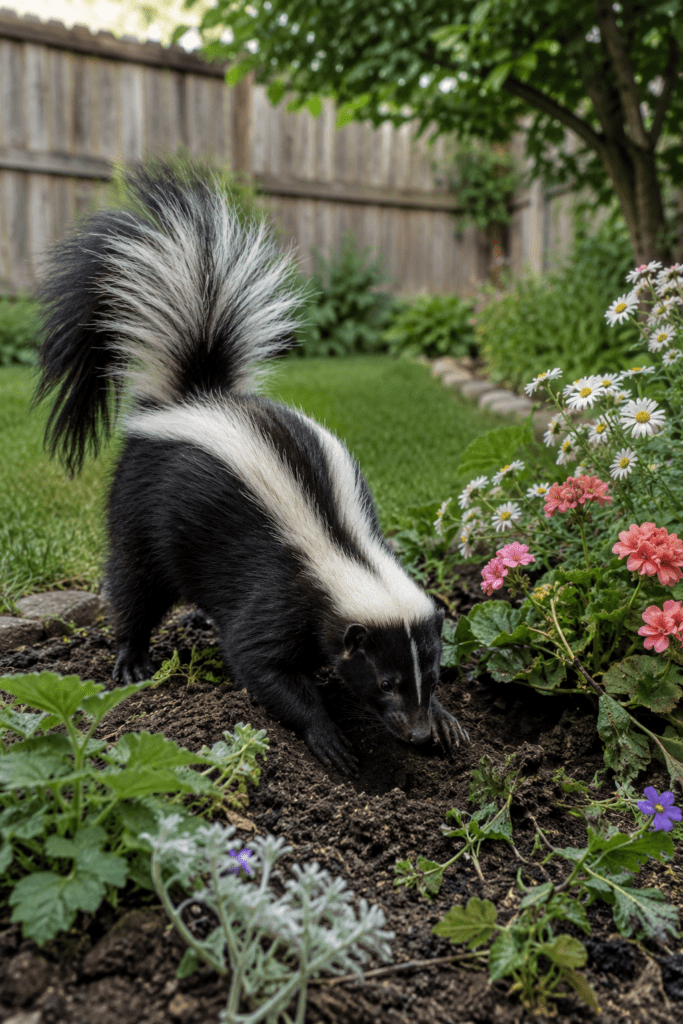
Few smells trigger instant panic like skunk spray.
And unfortunately, Maryland’s suburban-rural mix creates perfect conditions for pets to get sprayed.
The Biggest Mistake
People often scrub pets, carpets, or furniture with water immediately — which can spread oily sulfur compounds deeper into surfaces.
Professional Odor Removal Includes
- Sulfur-neutralizing chemistry
- HVAC contamination checks
- Carpet extraction
- Upholstery treatment
- Air purification
- Vehicle deodorization if transfer occurred
Skunk odor isn’t just airborne — it bonds aggressively to porous materials.
4. Musty Rowhome Odors
Older Maryland rowhomes often struggle with:
- Trapped humidity
- Aging plaster
- Old carpeting
- Hidden moisture
- Limited ventilation
The result is a stale, musty smell that residents stop noticing — but visitors immediately detect.
Why It Matters
Persistent musty odors can:
- Hurt resale value
- Affect rental desirability
- Create negative first impressions
- Suggest hidden moisture issues
Professional Solution
Professionals investigate:
- Moisture intrusion
- Hidden mold activity
- Subfloor contamination
- HVAC odor circulation
Then they use targeted deodorization and air treatment systems designed for enclosed urban environments.
Also Read 📖Musty Odor Removal
5. Cigarette Smoke That Never Leaves
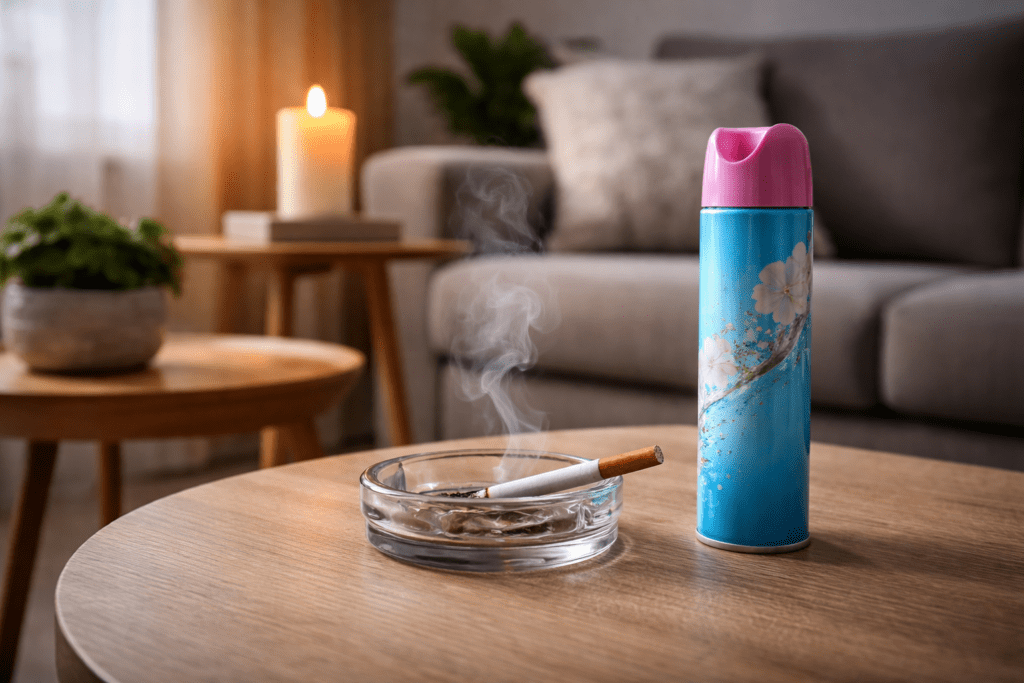
Smoke odors are among the hardest smells to eliminate because smoke particles penetrate nearly every surface.
This includes:
- Drywall
- Ceiling texture
- Insulation
- HVAC systems
- Flooring
- Electronics
- Cabinet interiors
The Problem With “Painting Over It”
Paint may temporarily hide smoke staining, but trapped smoke residues often continue releasing odor molecules.
Professional Smoke Odor Removal
Real remediation may involve:
- Nicotine residue cleaning
- Air scrubbing
- Thermal fogging
- Ozone-free deodorization methods
- HVAC cleaning
- Sealing treatments when necessary
True smoke remediation is about removing contamination — not masking it.
Also Read 📖Why Won’t Smoke Odor Disappear After Cleaning Rental Units?
6. Forgotten Seafood in Vehicles
Maryland summers plus forgotten seafood equals disaster.
Whether it’s a cooler left in the trunk or bait forgotten after fishing, vehicle odors intensify rapidly in heat.
Why Cars Hold Odors So Badly
Vehicle interiors contain multiple porous materials:
- Fabric
- Foam padding
- Carpeting
- Ventilation systems
Odors spread quickly through confined spaces.
Professional Vehicle Odor Treatment
Professionals may use:
- Deep extraction cleaning
- Enzyme treatment
- Vapor deodorization
- HVAC vent treatment
- Odor molecule neutralization
Quick action dramatically improves recovery outcomes.
7. Wet Dog and Pet Urine Odors
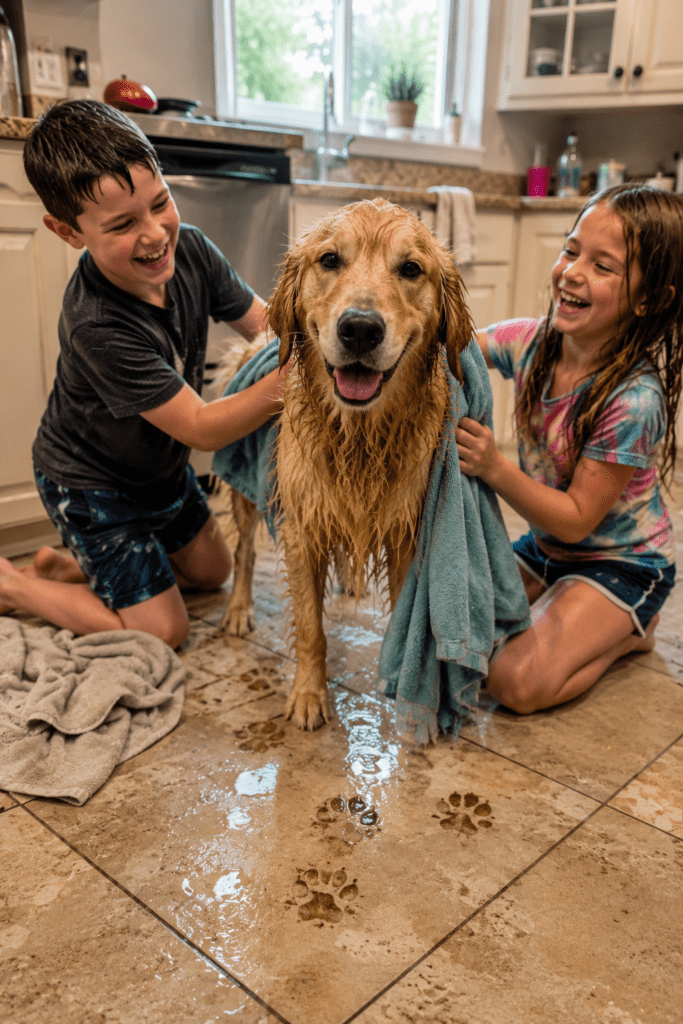
Pet odors are one of the most common calls Maryland property owners make — especially during humid months.
The Hidden Problem
Pet urine often penetrates:
- Carpet padding
- Subfloors
- Baseboards
- Concrete
Surface cleaning rarely reaches the contamination layer below.
Professional Treatment
Real pet odor remediation may involve:
- UV contamination detection
- Padding removal
- Subfloor sealing
- Enzymatic breakdown
- Vapor deodorization
- Air treatment systems
If you can still smell it after cleaning, the contamination source likely remains active.
Also Read 📖Pet Odors in Rental Properties: How Can You Protect Value and Indoor Air Quality?
8. Moldy HVAC Systems
Sometimes the smell isn’t coming from the room. It’s coming from the air system itself.
Maryland humidity can create ideal conditions for:
- Mold growth in ductwork
- Condensation buildup
- Dirty evaporator coils
- Drain pan contamination
Common Signs
- Odor stronger when AC starts
- “Dirty sock syndrome”
- Musty air after rainstorms
Professional Approach
Professionals inspect:
- Air handlers
- Duct systems
- Condensate lines
- Filters
- Coils
Then apply targeted cleaning and deodorization methods that improve indoor air quality without relying on fragrances.
9. Old Refrigerator or Freezer Failures
Power outage plus forgotten food equals one of the worst smells imaginable.
In Maryland’s summer humidity, decomposition accelerates rapidly.
Why These Smells Linger
Decomposition fluids and gases penetrate:
- Plastic liners
- Flooring
- Nearby cabinets
- Drywall
- HVAC circulation
Professional Treatment Methods
- Bio-cleaning
- Surface decontamination
- Air purification
- Odor neutralization
- Material replacement if needed
Sometimes replacing the appliance alone is not enough.
10. Mystery Odors From Hidden Organic Decay

Dead rodents, trapped wildlife, hidden moisture damage, forgotten food, sewage intrusion — some odors have no obvious source.
These are often the most frustrating situations for homeowners and property managers.
Why Odors Keep Returning
If the source remains hidden behind walls, under floors, or inside ductwork, the smell cycle continues.
Professional Odor Investigation
Professionals may use:
- Moisture detection tools
- Thermal imaging
- Airflow testing
- Contamination tracing
- Targeted demolition when necessary
The key is identifying the source before treatment begins.
also Read 📖Top Causes for Household Odors & How to Address Them
Why Professional Odor Removal Works Better
Many DIY solutions focus on:
- Fragrance
- Surface cleaning
- Temporary masking
Professional odor remediation focuses on:
- Source identification
- Molecular neutralization
- Contamination removal
- Air quality improvement
- Long-term odor control
At Maryland OdorPros, the philosophy is simple:
We don’t mask odors — we eliminate them.
That distinction matters because odors often signal deeper contamination problems involving moisture, bacteria, smoke residue, or organic decay.
Why Maryland Odors Are Especially Challenging
Maryland’s environment creates a perfect storm for persistent odors:
- Coastal humidity
- Wet summers
- Older homes
- Dense urban housing
- Seafood-heavy culture
- Seasonal flooding
- Humid basements
- Mixed rural/suburban wildlife exposure
As indoor air quality awareness continues growing, property owners are becoming less tolerant of lingering odors in homes, rentals, hospitality spaces, and vehicles.
Odor remediation is no longer viewed as cosmetic. It’s increasingly tied to:
- Property value
- Tenant retention
- Buyer confidence
- Hospitality reviews
- Indoor environmental quality
Final Thoughts
Some Maryland smells are practically cultural traditions.
Others need professional help immediately.
The important thing is understanding the difference between masking an odor and eliminating it at the source. Persistent odors almost always point to contamination, moisture, bacteria, smoke residue, or hidden organic material that standard cleaning cannot fully resolve.
If the smell keeps coming back, there’s usually a reason.
And the longer it sits, the deeper it can spread into the structure.
If you can smell it, it’s a problem — fix it at the source.
10 FAQs
1. Why do odors keep returning after cleaning?
Because the contamination source often remains inside porous materials, HVAC systems, or hidden moisture areas.
2. Can professional odor removal completely eliminate skunk smell?
In many cases, yes — especially when treatment begins quickly before odor oils spread deeply into materials.
3. Why does humidity make odors worse?
Moisture reactivates odor molecules trapped in fabrics, wood, drywall, and carpeting.
4. Are air fresheners effective for serious odors?
Usually not. They typically mask odors temporarily instead of neutralizing the source.
5. Can seafood odors permanently damage a property?
If left untreated in heat and humidity, seafood decomposition odors can deeply absorb into materials.
6. What’s the difference between deodorizing and odor remediation?
Deodorizing masks smells temporarily. Odor remediation targets and removes the source itself.
7. Are musty odors always caused by mold?
Not always, but musty smells often indicate excess moisture or microbial activity.
8. How long does professional odor treatment take?
It depends on the severity, source, and affected materials. Some projects take hours while others require multi-day remediation.
9. Can smoke odors spread through HVAC systems?
Yes. Smoke particles can circulate through ductwork and contaminate multiple areas.
10. When should I call a professional odor removal company?
If odors return repeatedly, worsen during humidity, or survive normal cleaning, professional remediation is recommended.