


Why Pet Odors Are a Property Value Problem—Not a Cleaning Issue
For landlords and property managers, pet-friendly policies often mean faster leasing and higher tenant demand. The hidden cost arrives later—when lingering pet odors turn a rentable unit into a liability.
Pet odors are not surface-level smells. They are chemical residues from urine, dander, oils, and bacteria that migrate deep into building materials. Once embedded, they can persist for years, quietly lowering perceived value and increasing vacancy time.
Prospective tenants don’t analyze odor scientifically. They make an instant decision: this place feels dirty. That perception directly affects rent pricing, negotiation leverage, and online reviews.
Also Read 👉🏼The Psychology of Smell: How Home Odors Affect Mood & Behavior
How Pet Odors Embed Into Rental Properties

Pet odors spread the same way liquids and gases move—by absorption, diffusion, and capillary action.
Common odor reservoirs include:
- Carpet fibers and padding
- Wood flooring and subfloors
- Concrete slabs and expansion joints
- Baseboards and drywall
- Upholstered furniture and window treatments
- HVAC ductwork and air handlers
Urine contains uric acid crystals, which bond tightly to porous materials. Standard cleaners may remove the smell temporarily, but humidity reactivates these compounds, causing odors to resurface weeks or months later—often right after a new tenant moves in.
This is why “deep cleaning” alone rarely works.
The Financial Cost of Lingering Pet Odors
Pet odors don’t just offend noses—they erode profitability.
Common cost impacts include:
- Extended vacancy periods
- Reduced rental rates to compensate for odor
- Repeat cleaning and deodorizing expenses
- Negative online reviews and tenant complaints
- Disputes over security deposit deductions
- Premature flooring or drywall replacement
Replacing carpet without addressing contaminated subfloors is a particularly expensive mistake. Odors migrate upward again, forcing a second renovation cycle.
From an asset management perspective, odor persistence is a deferred maintenance risk—quiet, compounding, and avoidable.
Also Read👉🏼The Hidden Cost of Odor Masking in Commercial Cleaning
Why Odor Elimination Must Happen Before Re-Renting
Once a new tenant moves in, odor remediation becomes harder, more disruptive, and legally sensitive.
From a 2026 property management best-practice standpoint:
- Odors can now be classified as habitability concerns in some jurisdictions
- Indoor air quality (IAQ) expectations are rising
- Tenants are increasingly scent-sensitive due to allergies and asthma awareness
- “Cover-up” methods are easily detected and poorly tolerated
Eliminating odors before listing the unit protects reputation, reduces liability, and ensures faster lease-up.
Why Masking Odors Fails (and Backfires)
Air fresheners, ozone sprays, foggers, and scented cleaners don’t eliminate odor molecules. They temporarily overwhelm the senses while leaving the source intact.
This creates three problems:
- Odors return under humid conditions
- Mixed scents often smell worse than the original odor
- Sensitive tenants may experience irritation or headaches
Modern odor remediation focuses on molecular neutralization, not fragrance.
Professional Odor Elimination: What Actually Works
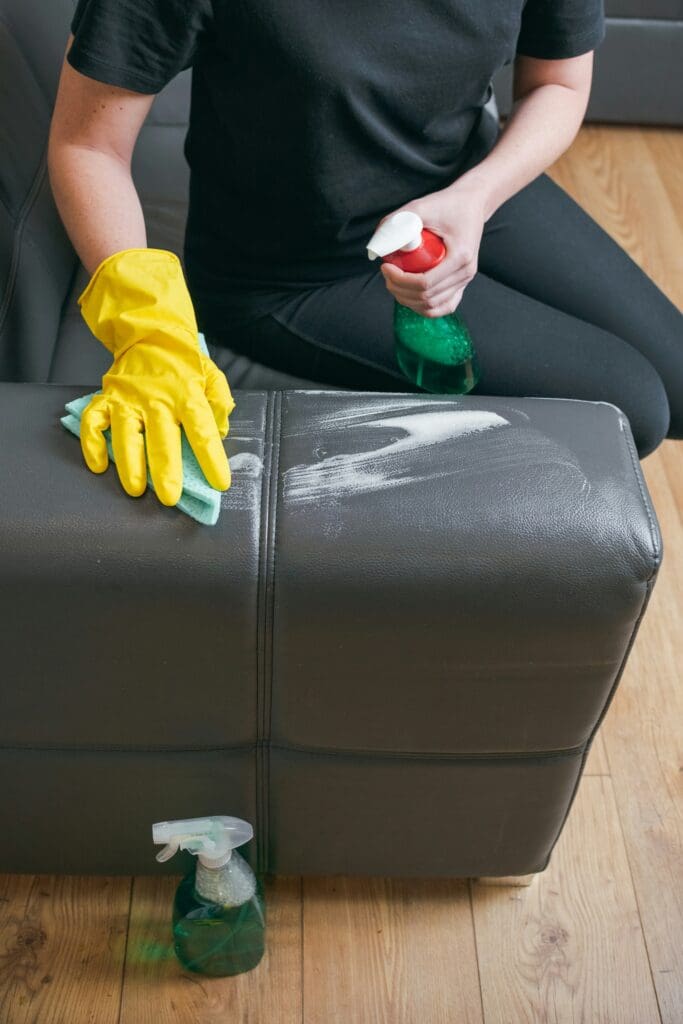
Effective pet odor remediation targets odors at the molecular level, neutralizing odor-causing compounds rather than disguising them.
Professional processes may include:
- Source identification using moisture and odor mapping
- Treatment of subfloors, concrete, and wall cavities
- Neutralization of uric acid and sulfur-based compounds
- HVAC system treatment to prevent recontamination
- Verification that odor compounds are fully eliminated
When done correctly, odor elimination is permanent—not seasonal.
Protecting Long-Term Property Value
From a portfolio standpoint, odor control is preventive maintenance.
Properties with neutral indoor air:
- Rent faster
- Command higher rates
- Retain tenants longer
- Receive fewer complaints
- Require fewer capital replacements
For landlords managing multiple units, standardized odor remediation protocols reduce turnover friction and protect brand reputation across listings.
Why Property Managers Are Re-Thinking Pet Turnovers in 2026
The rental market is shifting toward experience-based leasing. Clean isn’t enough anymore—units must feel clean.
Odor neutrality is now part of:
- Tenant satisfaction metrics
- Online review credibility
- Competitive differentiation in tight markets
Forward-thinking property managers treat odor elimination as a core turnover step, not an optional add-on.
The Smart Approach to Pet Odors in Rentals
Pet odors are predictable, measurable, and solvable—when handled correctly.
Ignoring them risks:
- Reduced property value
- Repeat tenant turnover
- Long-term material damage
Addressing them professionally protects both your investment and your reputation.
Also Read 👉🏼What We Can Do for Your Pet Odor Issues That You Can’t
Conclusion: Odor Control Is Asset Protection
Pet odors in rental properties aren’t cosmetic annoyances—they’re chemical signals of deeper contamination that can quietly undermine property value. When odors are allowed to linger, they extend vacancy time, reduce rent potential, and create long-term material damage that costs far more to fix later.
For landlords and property managers, the solution isn’t stronger fragrances or repeated cleanings. It’s early, professional odor elimination that neutralizes odor compounds at their source—before a unit is re-listed, re-occupied, or rebranded.
In a rental market where tenant expectations, indoor air quality standards, and online transparency continue to rise, odor neutrality is no longer optional. It’s a baseline requirement for protecting your investment, your reputation, and the long-term performance of your property.
Handle pet odors correctly once, and they stop being a recurring problem—and start being a solved one.
(FAQs)
1. Can pet odors permanently damage rental properties?
Yes. If urine penetrates subfloors, drywall, or concrete, odors can persist indefinitely without professional treatment.
2. Why does pet odor return after cleaning?
Humidity reactivates uric acid crystals left behind after surface cleaning.
3. Is replacing carpet enough to remove pet odors?
No. Odors often remain in padding, subfloors, and walls.
4. Are pet odors considered normal wear and tear?
In many cases, no—especially when professional remediation is required.
5. Can ozone machines remove pet odors?
Ozone may temporarily reduce odors but does not reliably neutralize embedded odor compounds.
6. How long does professional odor elimination last?
When properly performed, results are permanent.
7. Should odor treatment happen before listing a unit?
Yes. Treating odors before re-renting prevents tenant complaints and lease delays.
8. Do pet odors affect indoor air quality?
Yes. Odor-causing compounds circulate through HVAC systems and indoor air.
9. Can pet odors lower rental value?
Absolutely. Odor perception directly influences tenant willingness to pay.
10. What is the safest way to eliminate pet odors?
Professional molecular-level odor neutralization, not masking agents.