

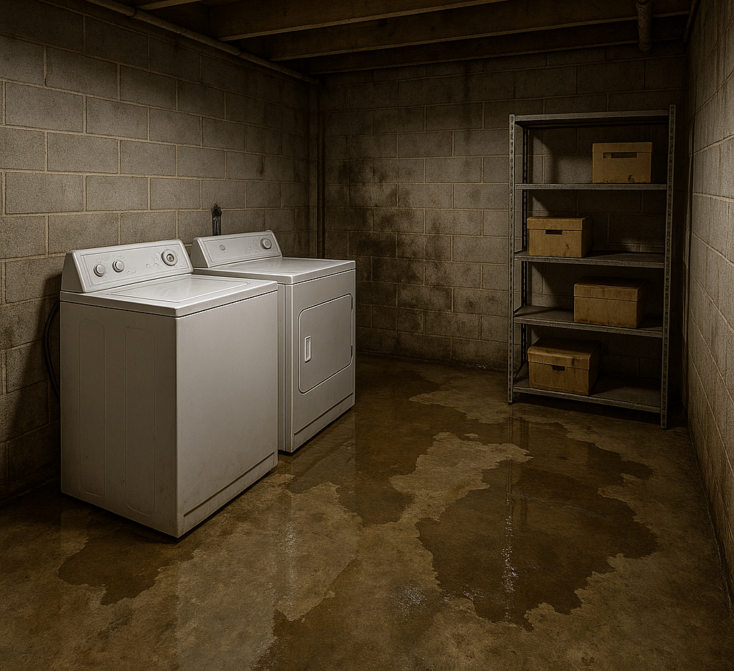
When Your Basement Smells Like a Swamp: Mold vs. Musty vs. Sewage — How to Diagnose & When To Call The Pros.
Basements are notorious for strange odors — some harmless, some warning signs of bigger issues. A smell that hits you like swamp air isn’t just unpleasant; it's a signal that something is brewing beneath the surface. Whether it’s mold, stagnant moisture, sewage gases, or organic decay, basement odors don’t go away on their own. The key is understanding what type of smell you’re dealing with, what it means, and what steps actually fix the problem instead of masking it.
 The Problem: A Basement with a Personality (and Not a Good One)
A basement’s environment is the perfect storm for odor creation: moisture, low airflow, cool temperatures, and porous materials that trap smells. Once odor molecules embed into concrete, drywall, insulation, or carpets, they cling like glue. Many homeowners ignore basement smells until guests notice — or until the odor starts drifting into the upper floors.
But each odor tells a different story.
Moldy, musty, earthy, sulfuric, sewage-like, or “wet dog” smells each come from different underlying issues, and diagnosing the right one is the key to eliminating the odor for good.
A Relatable Story: The Moment You Realize Something’s Wrong
Picture this. You walk downstairs to grab something from storage. The moment you crack open the basement door, you’re hit with an airwave that feels like warm pond water mixed with old towels. You pause. You swear it didn’t smell like this last week.
You light a candle.
You spray a freshener.
You even leave the door open for airflow.
By the next morning?
The smell is back — stronger, bolder, and now creeping into the hallway.
This is the classic experience of a basement odor that’s finally made itself known. And no amount of candles or sprays will solve what’s happening behind the scenes.
The Three Big Culprits: Mold, Musty, and Sewage Smells
1. Mold Odor
A moldy basement smell is sharp, earthy, sometimes sweet, and unmistakably damp. Mold thrives in humid environments and grows behind walls, under floors, around HVAC systems, and on wood framing.
Signs it’s mold:
• persistent damp smell
• visible discoloration or spotting
• condensation on pipes or walls
• increased humidity
Mold isn’t just a smell issue — it’s a health issue. Spores circulate through the air and contribute to allergies, respiratory irritation, and long-term indoor air quality problems.
2. Musty Odor
Musty smells are softer than mold odors but signal trapped moisture or stale air. A musty basement often means:
• poor ventilation
• high humidity
• old carpeting or cardboard absorbing moisture
• minor leaks or seasonal dampness
A musty odor is the basement’s version of “something isn’t right, but it’s not an emergency—yet.” Ignoring it often leads to mold growth, mildew spread, and deeper structural odor issues.
3. Sewage Odor
This is the most alarming smell — rotten eggs, sulfur, ammonia, or a wet “gas” smell. Sewage odors indicate:
• dry plumbing traps
• cracked sewer lines
• sump pump issues
• backed-up floor drains
• decaying organic matter in crawl spaces
Sewage gases don’t just smell terrible; they can be hazardous. This type of odor requires immediate diagnosis and professional remediation.
 Diagnosing the Smell: What to Look For
 Diagnosing the Smell: What to Look For
Homeowners can look for early clues:
• Check humidity levels (anything above 60% encourages odor).
• Inspect for visible moisture, leaks, or dark stains.
• Open storage boxes — cardboard absorbs and traps odor.
• Check floor drains and traps for water levels.
• Smell around HVAC returns — odors often funnel into ducts.
• Look under carpets or old insulation.
But without proper tools, meters, and experience, identifying the true cause is difficult. Many odor sources hide behind walls or deep in subflooring where visual checks aren’t enough.
The Fix: How to Actually Eliminate Basement Odors
Basement odors do not resolve with:
• candles
• dehumidifier alone
• store-bought sprays
• carpet shampooing
• surface cleaning
To eliminate odors, you must remove the odor molecules, not just cover them.
Professional odor remediation uses a multi-step approach:
• moisture and humidity assessment
• inspection for mold, leaks, and hidden sources
• removal of contaminated materials if needed
• application of enzyme formulas that break down organic odor compounds
• ClO₂ (chlorine dioxide) treatments to oxidize and neutralize embedded odors deep inside porous materials
This combination penetrates concrete, joists, drywall, and insulation — places ordinary cleaning can’t reach.
Why Choose Maryland OdorPros?
Maryland OdorPros takes basement odors seriously because they’re often symptoms of deeper issues. Their team uses industry-leading enzyme formulas paired with advanced ClO₂ odor-elimination strategies for total remediation. That means they don’t just make your basement smell better — they eliminate the odor at the source.
They treat:
• mold and mildew odors
• musty moisture odors
• sewage and sulfur smells
• pet and organic decay odors
• smoke infiltration
• post-water-damage odors
Whether you’re dealing with a mild musty smell or a basement that hits like swamp air, Maryland OdorPros has the expertise, equipment, and chemistry to restore freshness safely and permanently.
FAQ
1. Why does my basement smell like a swamp?
A “swamp-like” odor typically means your basement has excess moisture combined with organic material breaking down — such as mold, mildew, bacteria, or damp building materials. Basements naturally trap humidity and have limited airflow, which makes them ideal environments for odor-producing microbes. When water vapor, condensation, or hidden leaks persist, these odors intensify and cling to porous surfaces like concrete, drywall, wood framing, and carpeting.
2. How can I tell if the odor is mold or just mustiness?
Mold odors tend to be sharper, earthier, and more pungent than general mustiness. Musty smells usually indicate stale air, dampness, or humidity problems without active mold growth. Mold odors often come with additional signs: visible spotting, moisture on surfaces, high humidity (over 60%), or an increase in allergy-like symptoms. Mustiness is a warning sign — mold is a confirmed problem.
3. What causes a sewage smell in my basement?
A sewage odor can come from:
• dry or broken plumbing traps
• damaged sewer lines
• failing sump pumps
• clogged floor drains
• decomposing organic matter in crawl spaces
Unlike musty or moldy odors, sewage smells can indicate a plumbing or structural issue that requires immediate attention. Sewage gases also contain methane and hydrogen sulfide, which can pose health risks if left untreated.
4. Can basement odors travel to the upper floors of my home?
Yes. Odors rise through stack effect, a natural airflow pattern where warm air from lower levels moves upward. If your basement smells musty, moldy, or swamp-like, those odors can easily infiltrate hallways, main living areas, and even bedrooms. HVAC systems can also spread the smells throughout the house by circulating contaminated air.
5. Are basement odors dangerous to my health?
Some basement odors — particularly those caused by mold, mildew, and sewage gases — can be harmful. Mold spores contribute to allergies, asthma irritation, respiratory discomfort, and long-term air quality issues. Sewage gases can cause headaches, nausea, fatigue, and even more serious symptoms when highly concentrated. While a “plain musty smell” isn’t dangerous by itself, it often signals moisture conditions where dangerous contaminants can develop.
6. Will a dehumidifier fix my basement odor problem?
A dehumidifier helps reduce moisture, which can prevent odors from worsening, but it rarely eliminates them on its own. Once odor molecules are embedded in walls, flooring, insulation, and furniture, reducing humidity won’t remove them. A dehumidifier is a helpful support tool, not a full odor-removal solution. Professional remediation is needed to oxidize or break down the trapped odor compounds.
7. Why don’t DIY sprays, candles, or cleaners work on basement odors?
Basement odors originate inside porous materials, not just on the surface. Sprays and candles only mask scents temporarily; they don’t neutralize the odor molecules behind drywall, under carpets, or deep in concrete. And cleaning agents aren’t strong enough to reach the embedded organic compounds, mold colonies, or sewage contaminants causing the smell. Real odor removal requires enzyme or oxidizing technology that penetrates the material.
8. How do enzyme and ClO₂ treatments eliminate basement odors?
Enzyme treatments break down the organic materials that cause odor at a microscopic level — such as bacteria, mold by-products, pet residues, or decaying matter.
ClO₂ (chlorine dioxide) works differently: it’s an oxidizing gas that penetrates deep into porous surfaces and neutralizes stubborn odor molecules by breaking their chemical bonds.
Used together, they target both biological and chemical odor sources, making remediation far more effective than surface cleaning or fragrance-based products.
9. How long does professional basement odor removal take?
Most odor remediation treatments take several hours to a full day, depending on severity. Severe mold or sewage-related odors may require multiple stages, including moisture correction, enzyme application, and ClO₂ treatments. Airing out and verifying neutralization is part of the process, ensuring the space is fully safe and odor-free before re-entry.
10. Can Maryland OdorPros prevent the smell from coming back?
Yes — Maryland OdorPros focuses on eliminating the source, not covering up the smell. Once odor-causing compounds are neutralized and humidity or moisture contributors are identified, the team provides recommendations to prevent recurrence. This may include ventilation improvements, moisture control strategies, mold prevention tips, or plumbing corrections. Their process delivers long-term results because it targets the molecular cause of the odor.