

My House Smells… Normal? Why “Nose Blindness” Might Be Lying to You
Your home has a signature scent — every home does. Yet most people can’t actually smell their own. The phenomenon is called nose blindness, and it’s the sneaky reason you can walk into someone else’s home and instantly notice their dog smell… while being totally unaware of your own. Nose blindness isn’t just awkward; it can hide real odor issues that affect indoor air quality, comfort, and even your home’s value. Let’s pull back the curtain on why your nose goes “offline,” how hidden odors form, and what you can do to solve them for good.
The Problem: When Your Nose Stops Telling the Truth
The human brain is remarkably adaptive. After just a few minutes of exposure to a smell, your olfactory system stops registering it. This survival trick was helpful when we lived outdoors — today, it’s the perfect recipe for unnoticed household odors.
Pet dander, cooking oils, smoke residue, mildew, and everyday life all create microscopic odor molecules that settle into carpets, drywall, upholstery, and HVAC systems. You grow desensitized to it, but visitors notice instantly.
Nose blindness isn’t a flaw — it’s biology. But it can trick homeowners into thinking their space is cleaner and fresher than it really is.
Also Read 👉🏼When The Cat Urine Just Won’t Go Away…
A Story Readers We All Can Relate To
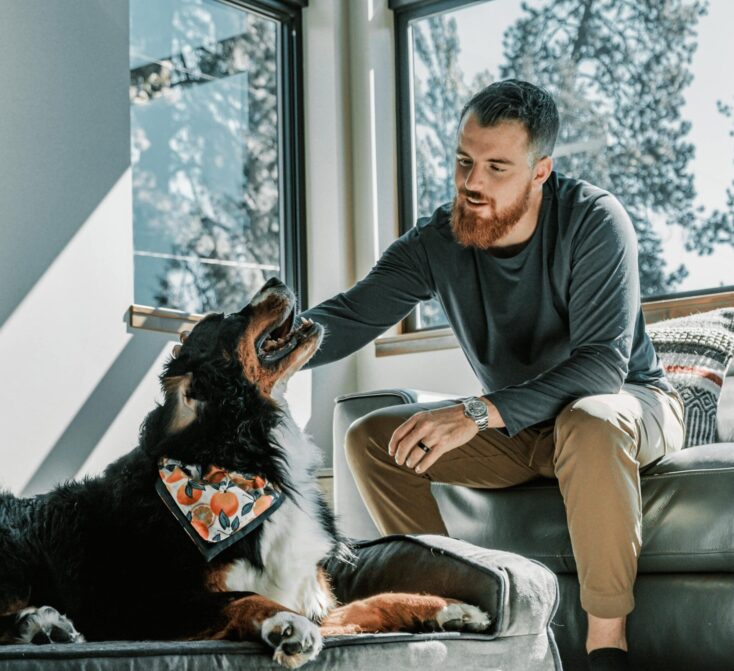
Imagine this. You visit a friend’s home — it’s tidy, the floors are clean, everything looks fine… but the moment you walk in, you detect the unmistakable smell of an old dog. You smile, pretend not to notice, and get on with your visit.
Now flip the perspective.
That friend walks into your home.
And even if you’re convinced it smells fresh, they may be thinking the exact same thing — just in polite silence.
This is how homeowners accidentally let lingering odors live rent-free for months or years. It doesn’t mean the home is dirty; it simply means the nose has adapted. But masked odors can still signal deeper issues like humidity problems, hidden mold, pet accidents in subflooring, or stale smoke embedded into walls.
The Fix: How to Break the Cycle of Nose Blindness
The key to eliminating hidden odors is to remove the odor molecules at their source — not mask them with sprays or fragrances.
Most homeowners try:
• candles
• room sprays
• plug-ins
• surface cleaners
These only cover odors temporarily. The real culprits live beneath the surface: inside carpets, padding, insulation, HVAC ducts, crawl spaces, and porous materials.
Professional remediation works because it uses chemistry — not perfume — to break down odor-causing compounds. Maryland OdorPros combines advanced enzyme formulas with ClO₂ (chlorine dioxide) oxidation treatments, a strategy designed to reach deep into surfaces and destroy odor molecules at a structural level.
This removes odors that normal cleaning can’t touch.
Also Read 👉🏼Why are Fragrant Deodorizers the Wrong Way to Go?
Why Choose Maryland OdorPros?
At Maryland OdorPros, eliminating odor isn’t just a service — it’s a science. Our team uses industry-leading enzyme formulas paired with advanced ClO₂ odor-elimination strategies to achieve full remediation. We don’t mask, dilute, or disguise odors; they neutralize them completely at the molecular level.
Whether the smell comes from pets, smoke, food, mildew, a previous tenant, or years of absorbed household air, they have the tools and expertise to restore true freshness.
We serve:
• homes
• rental properties
• apartments
• commercial buildings
• vehicles
• and more
Odor may trick your nose.
Maryland OdorPros brings the truth back into the room.
Frequently Asked Questions
FAQ 1. What exactly is nose blindness, and why does it happen?
Nose blindness — also called olfactory fatigue — is a natural process where your brain stops recognizing a smell after prolonged exposure. Your olfactory receptors constantly send information to your brain, but to prevent sensory overload, the brain “filters out” familiar scents. After several minutes, your home’s scent becomes background noise.
This is why you can smell a stranger’s home instantly, but not your own. It’s also why homeowners often miss early signs of issues like pet odors, mold, or stale smoke. Nose blindness isn’t harmful, but it makes it nearly impossible to judge the true smell of your own home without outside help.
FAQ 2. How can I tell if my home has odor problems if I can’t smell them myself?
Since nose blindness hides odors from the people who live there, you need a few diagnostic tricks:
• Ask someone you trust to give an honest assessment when they walk in.
• Pay attention to “odor zones” like basements, laundry rooms, closets, and rooms with fabric upholstery.
• Watch for secondary signs: humidity problems, stained carpets, pet accidents, recent smoke exposure, or areas with poor ventilation.
• Sniff-test after being away — even an hour-long outing resets your scent perception.
If you’re still unsure, a professional odor inspection can identify sources hidden in carpets, drywall, insulation, HVAC ducts, or subflooring.
FAQ 3. Why don’t candles, sprays, or air fresheners fix the problem?
Fragrances only mask smells by overpowering them, but they do nothing to remove the odor molecules causing the issue. In many cases, they mix with existing odors and create a different — sometimes worse — scent profile.
Odor molecules embed themselves into porous materials like:
• carpeting and padding
• drywall
• wood framing
• furniture upholstery
• HVAC systems
• subflooring
Getting rid of the scent requires breaking down or oxidizing the molecules, not covering them with perfume. That’s why true odor remediation relies on enzymes, oxidizers like ClO₂, and deep-penetrating treatments that reach below the surface.
FAQ 4. What types of odors can professional treatments like enzyme formulas and ClO₂ eliminate?
Professional odor remediation can remove virtually any organic or inorganic odor, including:
• pet urine and dander
• cigarette or cigar smoke
• cannabis smoke
• mold and mildew smells
• musty basement odors
• cooking odors (oils, spices, lingering grease vapors)
• body odors embedded in fabrics or HVAC
• odors from water damage
• dead animal smells
Enzymes break down biological contaminants, while ClO₂ oxidizes stubborn odor molecules that have bonded into walls, carpets, or structural materials. This combination works far more effectively than consumer-grade products.
FAQ 5. How long does a professional odor elimination treatment take, and is it safe?
The timeline depends on the type of odor and how deeply it’s absorbed into the home’s materials. Most treatments take a few hours to a full day, with severe cases requiring an overnight or multi-step approach.
Safety-wise, professional ClO₂ and enzyme treatments are designed to be used in a controlled environment. Maryland OdorPros ensures proper ventilation, dosage, contact time, and neutralization steps. Once the treatment is complete and the space is ventilated, the area is safe for people, pets, and belongings.
Because these treatments target the source instead of masking the smell, the results are both long-lasting and medically safer than living with trapped mold spores, smoke residue, or ammonia-based pet odors.